Seeing your check engine light on can be stressful, especially when you’re not sure what caused it or whether it’s safe to keep driving. The check engine light can be caused by something simple, such as a loose gas cap, or something more serious involving the engine or other essential components.
If you’re wondering why the check engine light is on, it means your vehicle has detected an issue and stored a diagnostic trouble code. The check engine light can come on for several reasons, so it’s important to get a proper diagnosis. Drivers in Burke and the surrounding Virgina area can turn to the professionals at KC Automotive to properly identify and address any issues with your car.
Here are seven common reasons why your check engine light may turn on.
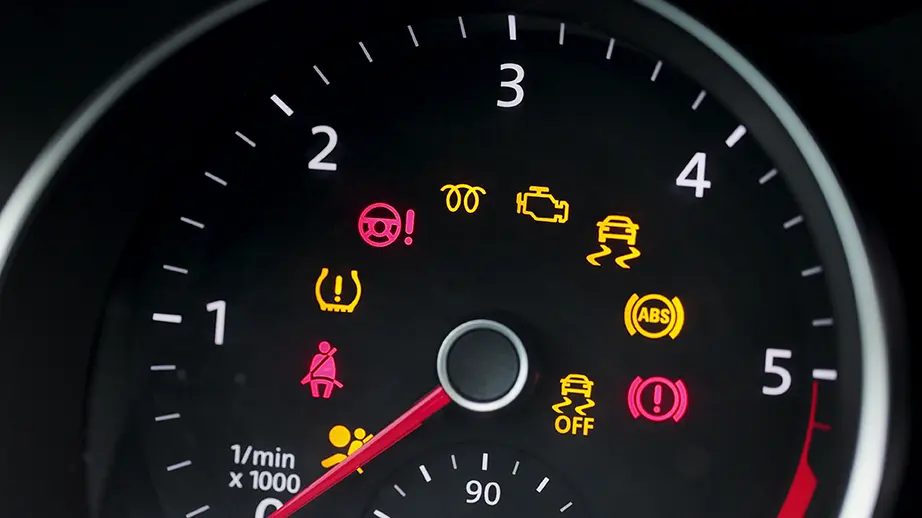
Not Sure About Your Dashboard Icons?
Dashboard warning lights can be confusing, especially when you don’t know which symbols require immediate attention. If you aren’t sure what your dashboard lights mean, KC Automotives can give you the information you need.
7 Common Causes
1) Loose or Faulty Gas Cap
A loose, damaged, or missing gas cap is one of the simplest reasons why your check engine light may come on. Your gas cap is designed to help maintain a specific pressure within your car’s fuel system, so any damage may allow fuel vapors to escape. It’s important to make sure that you tighten your gas cap securely when stopping at a gas station. If the light stays on after you secure the gas cap, it could be a different issue.
2) Evaporative Emissions System Problems
Your vehicle’s evaporative emissions, or EVAP, system helps prevent fuel vapors from escaping into the atmosphere. Your check engine light may turn on because of an issue with your EVAP hose, valve, or fuel tank pressure sensor. These problems are hard to notice beyond the check engine light, so a proper diagnosis is still the best way to identify the issue.
3) Failing Oxygen Sensor
The oxygen sensor in your car helps your engine identify the proper air-fuel balance. When an oxygen sensor is damaged or starts to fail, fuel economy drops, emissions increase, and your engine’s performance may change. Keeping your sensors operational helps keep your car running efficiently. If you notice worse gas mileage after the check engine light comes on, that is your sign to have your vehicle inspected.
4) Worn or Failing Spark Plugs
Spark plugs are responsible for igniting the air-fuel mixture inside your engine. Over time, they can wear out, become damaged, or deteriorate. When your spark plugs begin to fail, you may notice rough idling, poor acceleration, difficulty starting, or engine misfires (which could also trigger your check engine light). Following your vehicle manufacturer’s recommended service schedule is essential to maintain your vehicle’s performance.
5) Catalytic Converter Problems
The catalytic converter reduces harmful emissions and pollutants in exhaust fumes before they leave your vehicle. When this part begins to fail, you may notice reduced engine performance, poor fuel economy, or unfamiliar exhaust odors. These repairs can become quite expensive if not addressed in a timely manner. Other problems, such as misfires, can also cause damage to the catalytic converter if not resolved in a timely manner.
6) Mass Airflow Sensor Issues
The mass airflow sensor is a component in your vehicle that determines the amount of air entering your engine. With this information, the engine can calculate how much fuel is needed for combustion. When this component sustains damage, you may start to notice rough idling, poor acceleration, or reduced fuel economy. A proper diagnosis can help identify whether or not this is the source of your check engine light.
7) Engine or Transmission Problems
Finally, your check engine light could indicate a more serious engine or transmission problem. This could include problems with ignition components, fuel delivery, or various engine sensors. If you’re noticing unusual noises, shifting problems, or poor engine performance along with the check engine light, it may be time to have your vehicle inspected.
Steady or Flashing?
If your check engine light does turn on, first check whether it is steady or flashing. You may ask yourself, “What does a flashing check engine light mean?” If it is flashing, your car is signaling a more serious issue. In that case, stop your vehicle and seek professional assistance. When steady, you can continue driving safely; however, it is still wise to act quickly and get the issue diagnosed.
Don’t Ignore It
The check engine light doesn’t always mean you have a major issue you must address, but it can have serious consequences if ignored. A diagnostic report can retrieve and read any stored error codes in your vehicle’s computer. Even reading the error code may not identify the true source of the problem, which is why a proper diagnosis matters to avoid unexpected breakdowns and potentially more expensive repairs later.
Need Service in Virginia?
Don’t ignore the signs and hope they disappear. A proper professional diagnosis takes the guesswork out of warning lights and helps you make informed decisions about the repairs your vehicle needs. If you run into these issues, KC Automotives is here to help identify the problem and determine what repairs your vehicle may need.