Few things are more frustrating than getting into your car, turning the key, or pressing the start button, and discovering that nothing happens. Whether you’re on your way to work, running errands, or getting ready for a road trip, a car that won’t start can quickly disrupt your day. Dead batteries are a common cause of cars not starting; however, several other problems could be responsible. At KC Automotive, we help drivers identify vehicle problems, recognize warning signs, and determine what to do next so you can get back on the road with confidence.
Common Causes
Dead or Weak Battery
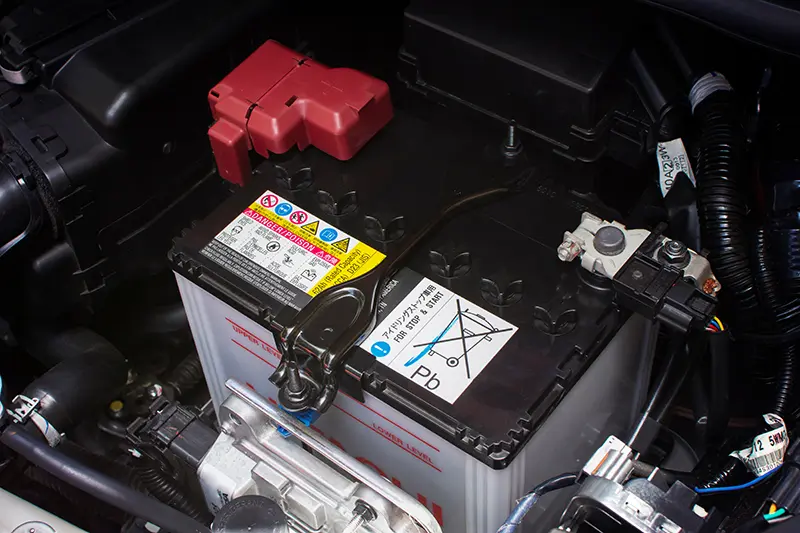
The most common reason a car won’t start is a weak or dead battery. When your car’s battery is weak or dead, it doesn’t supply enough power to the engine, so it struggles to turn over or, in some cases, fails to start entirely.
Common signs of a battery problem include:
- Clicking sounds when you turn the key
- Dim headlights or dashboard lights
- Electrical accessories not functioning properly
Car batteries typically last 3-5 years. This can vary by driver, depending on driving habits, maintenance, and whether they leave lights on. Jump-starts can temporarily restore some power back to your battery; however, this is not a permanent fix. If you’re experiencing battery problems, that may be your sign to bring your car into KC Automotives for a battery test to determine whether it needs a recharge or full replacement.
Failing Alternator
Battery problems can happen because of a bad alternator. The alternator maintains your battery charge while the car is running. When this component isn’t working properly, the battery may lose charge even if it’s relatively new.
Watch for these signs:
- Battery-shaped dashboard light
- Headlights flickering or becoming dim
- Unusual whining or grinding noises
- Vehicle stalling or struggling to keep up
A dead battery can prevent your vehicle from starting, but a failing alternator can cause problems while driving. A professional inspection can help determine whether your battery, alternator, or other components are preventing your car from starting.
Faulty Starter Motor
Your car’s starter motor turns over the engine so it can run. When this component starts to fail, your car may have trouble starting, even with a fully charged battery. Starter problems are often confused with battery issues, since both can cause clicking sounds or a failure to crank.
Common symptoms of a failing starter include:
- Single click when attempting to start the engine
- Repeated clicking without the engine turning over
- No response when turning the key
- Intermittent starting problems becoming more frequent
If your dashboard lights turn on normally but the engine refuses to crank, it’s worth having your starter system inspected to pinpoint the source of the issue.
Loose or Corroded Battery Connections
Sometimes, the battery itself isn’t the problem. Loose, damaged, or corroded battery terminals can interrupt the flow of electricity between the battery and your vehicle. Corrosion often appears as a white, blue, or greenish buildup around the battery terminals. Even relatively small amounts can cause electrical interference that leads to starting problems. When this occurs, you may notice inconsistent starts, flickering dashboard lights, or other electrical components unexpectedly losing power. Because working with car batteries can be hazardous, the best approach is to have a professional inspect, clean, or repair your battery.
Empty Fuel Tank or Fuel System Problem
If your engine cranks normally and you don’t hear any unusual sounds, but it won’t start, the problem may stem from a fuel system issue rather than a battery, starter, or alternator. The correct air-to-fuel mixture is essential to your engine’s performance. Without the proper blend and supply, combustion fails.
Potential fuel-related causes include:
- Empty fuel tank or inaccurate fuel gauge
- Failing fuel pump
- Clogged fuel filter
- Faulty fuel injectors
- Problem with the fuel pump’s electrical circuit
A failing fuel pump can cause engine sputtering, loss of power, or stalls before it eventually fails to start. If you suspect a fuel system problem, avoid repeatedly cranking the engine. The professionals at KC Automotive can test your fuel pressure and related components to determine whether your fuel system is causing failed starts.
What to Do When Your Car Won’t Start
When your vehicle refuses to start, a few simple observations can help narrow down the possibilities.
Start by paying attention to what happens when you try to start your car:
- Nothing happens
- You hear rapid clicking
- You hear one click
- Engine cranks but won’t start
- Engine starts but quickly stalls
While all of these help narrow down what’s causing the failed starts, none are definitive diagnoses. Several different problems can produce similar signs. If you see smoke, notice damaged wiring, or hear unusual mechanical noises, stop attempting to start your car and schedule a visit with the professionals at KC Automotive.
How to Prevent Starting Problems
- Have your battery tested
- Inspect battery connections
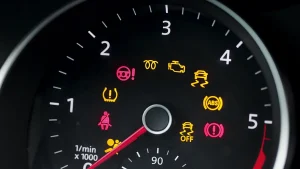
- Pay attention to warning lights
- Address unusual symptoms early
- Keep up with scheduled maintenance
KC Automotive Can Help Get You Back on the Road
When your car won’t start, guessing at the cause can lead to unnecessary parts replacements and wasted time. A professional diagnosis helps identify the actual problem so you can make an informed decision about the repairs your vehicle needs. At KC Automotive, we have served drivers in Burke, VA, and surrounding communities since 1996. We are focused on explaining your problem, outlining the necessary repairs, and helping our customers understand their options. With decades of automotive experience, we work to provide dependable, affordable service to get you back on the road with confidence. If you aren’t sure why your car won’t start, contact KC Automotive to schedule an inspection and get your vehicle back on track.